Garden design and build in Hanwell
If you are looking for garden design and build in Hanwell, you are probably ready to turn an outdoor space into something that works better for everyday life. Maybe your garden feels too narrow, too shaded, too exposed, or simply difficult to use. Perhaps it is an older plot that needs a fresh layout, or a newer home where the outside space has not yet been properly finished. Whatever the starting point, a well-planned garden can make a real difference to how your home feels and functions.
In Hanwell, outdoor spaces vary a lot. Some homes have compact back gardens with limited access, some have long terraces with narrow side returns, and others have larger family plots that need more structure and better zoning. There are also many local properties with mixed materials, mature trees, awkward levels, shared boundaries, and established surroundings that need careful handling. A local team understands those details and can design a garden that fits both the property and the way you want to live.
Our approach to garden design and build in Hanwell is practical, creative, and focused on usable results. From the first ideas to the final planting, every stage is planned to suit your space, your preferences, and your budget. Whether you want a low-maintenance modern courtyard, a family-friendly lawn, a smart entertaining area, or a planted garden with seasonal interest, the goal is the same: create an outdoor space that feels considered and built to last.
Why Hanwell homeowners and businesses choose a local garden design and build service

Working with a local team has clear advantages. Hanwell includes a mix of Victorian and Edwardian homes, post-war houses, apartment developments, and commercial premises, and each type of property comes with its own opportunities and constraints. A garden that works beautifully in one part of West London may not suit another, especially when access, aspect, drainage, or privacy become important. Local experience helps turn those challenges into practical design decisions.
For many customers, the biggest benefit is a joined-up service. Instead of dealing with one person for design and another for construction, a garden design and build project can be managed in a more coordinated way. That matters when you are planning changes such as new paving, raised beds, fencing, lighting, pergolas, irrigation, planting, or structural works. Fewer handovers often mean fewer delays and a smoother final result.
There is also the matter of local access. Hanwell streets can present parking restrictions, tight driveways, limited loading space, and shared access routes. A local team is more likely to plan deliveries, waste removal, and material handling around those realities. That keeps disruption lower for you and for neighbours, and it makes the build more efficient from the start.
What a garden design and build project can include

Every garden is different, so the exact scope of work will depend on your space and goals. Some customers come to us with a clear layout in mind, while others want help developing ideas from scratch. In either case, the service can cover a wide range of features, from structural hard landscaping through to planting and final styling.
Typical elements of a garden design and build service may include:
- Initial site visit and discussion of needs, style, and practical concerns
- Measured assessment of the space and existing features
- Concept planning for layout, access, seating, planting, and circulation
- Preparation of the ground and removal of old surfaces or overgrown areas
- Patios, paving, paths, terraces, and stepping stones
- Decking, composite decking, and outdoor seating platforms
- Raised beds, retaining walls, edging, and planters
- Lawns, artificial grass, wildflower areas, or low-maintenance alternatives
- Fencing, screens, gates, and boundary improvements
- Lighting, drainage solutions, irrigation, and planting schemes
Many Hanwell customers also want to include practical extras such as bin storage areas, bike storage, side access improvements, or a better route from kitchen to garden. These details may seem small, but they make a garden easier to live with every day.
Designing a garden that suits everyday life in Hanwell

Good garden design is not just about appearance. It is about how the space works across the seasons and through different parts of the day. In Hanwell, that might mean making the most of afternoon sun in a rear garden, creating privacy from nearby homes, or choosing materials that suit the character of the property while staying easy to maintain. The best designs usually start with real use cases rather than decoration alone.
For family homes, it may be important to create a lawn space for children, a safe route from the house, and a seating area for adults. For smaller gardens or terraces, the priority may be to make the space feel larger with clever levels, built-in storage, and clear lines. For busy professionals or landlords, the focus may be on robustness and low upkeep. For commercial clients, such as offices, hospitality venues, schools, or care settings, circulation, durability, and visual presentation may matter most.
A skilled garden design and build service considers all of that. Space planning, proportion, materials, and planting structure are used to shape the experience of the garden. Small changes in layout can make a surprising difference. Moving a path, widening a terrace, improving boundary screening, or using layered planting can transform how the garden feels without making it overly complex.
Popular garden styles and finishes for local properties
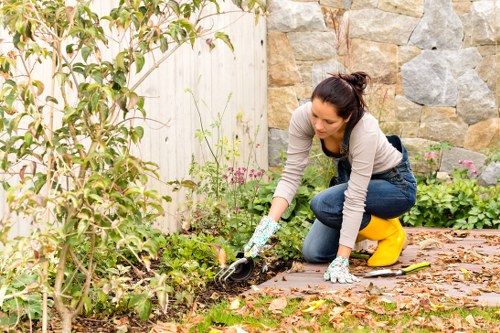
Hanwell homes suit a wide range of styles, and there is no single formula that works for everyone. Some customers prefer a clean, contemporary look with porcelain paving, simple planting, and subtle lighting. Others want a softer traditional feel with brick edging, planted borders, climbers, and natural materials. The right result depends on the building, the surroundings, and how you want to use the space.
Common style directions include:
- Modern low-maintenance gardens with structured planting, sleek paving, and easy-care finishes
- Family gardens with lawn space, storage, durable surfaces, and room for play
- Urban courtyard gardens designed for privacy, texture, and year-round appeal
- Traditional planted gardens using softer borders, seasonal colour, and natural materials
- Entertaining spaces with seating zones, outdoor dining areas, and lighting
- Commercial landscapes built for strong first impressions and manageable upkeep
Choosing the right style is not just about taste. It is also about maintenance, drainage, shade, and how much time you want to spend looking after the garden. In a busy household or business setting, a design that is easy to manage often becomes the most enjoyable long term.
Balancing beauty and practicality
Some gardens need a complete rethink, while others only need a few key improvements. A good designer will help you decide where to invest and where to keep things simple. That might mean using one standout feature, such as a built-in bench or a raised planting area, rather than overcrowding the space. The result should feel deliberate and easy to live with.
How the garden design and build process usually works
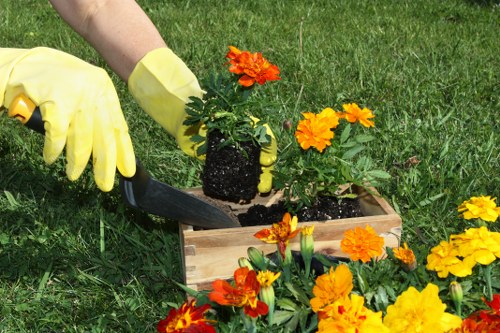
Most customers want to know what will happen once they decide to move forward. While every project is different, a clear process helps keep the work organised and predictable. For anyone considering garden design and build in Hanwell, the process usually begins with understanding the site, then shaping ideas, then building the agreed design in stages.
Step 1: Initial discussion and site visit
This is where you explain what is not working and what you want the garden to do. It may be as simple as creating more seating space or as detailed as combining new paving, planting, levels, and lighting. The site visit also helps identify practical factors such as access, gradients, drainage, and existing structures.
Step 2: Design development
Once the needs are clear, the layout and features are planned. This could include sketch concepts, material suggestions, zoning ideas, and planting direction. For many customers, this is the stage where ideas become tangible and choices are narrowed down. It is also the point at which style, maintenance, and budget can be balanced more effectively.
Step 3: Build and installation
After the design is agreed, the build phase begins. This can involve clearing the site, preparing bases, installing hard landscaping, fitting boundaries or structures, and then adding soft landscaping and planting. Good sequencing matters. For example, drainage and levels need to be right before paving is laid, and planting is usually scheduled once the main construction work is complete.
Step 4: Finishing touches
The last stage is where the space starts to come together. Edges are refined, surfaces are cleaned, plants are set out properly, and the garden is checked for usability. Small details such as lighting placement, seating position, and the transition between indoor and outdoor areas can make a major difference to the final impression.
What is included when you book a local garden design and build team
People often want to know exactly what they are paying for before they request a quote. A professional service should be clear about the parts of the process that are included and what may be treated as optional or project-specific. The more transparent this is at the outset, the easier it is to compare options and plan with confidence.
Depending on the project, a local service may include:
- Consultation to understand your goals and current garden issues
- Assessment of access, size, slope, light, and drainage conditions
- Concept design and material recommendations
- Construction planning and scheduling
- Groundworks and preparation
- Installation of hard landscaping and structural features
- Planting and finishing details
- Site tidy-up and handover information
Some projects also involve coordination with other trades if the garden forms part of a wider home improvement plan. That might include patio doors, external lighting, drainage adjustments, or steps between the house and garden. A good team will be upfront about how these elements affect the timetable and build sequence.
Why a full-service approach helps
A single team handling design and build can reduce confusion. It can also help maintain consistency in quality, materials, and detail. When the same people understand the plan from the beginning, the finished space often feels more coherent and better executed.
Pricing factors: what can affect the cost of garden design and build in Hanwell
Without discussing exact prices, it is still useful to understand what affects overall project cost. Garden projects vary widely, even when the spaces look similar at first glance. A small back garden with limited access may require more labour than expected, while a larger open garden may be simpler to work on but need more materials. The price is usually shaped by several practical factors.
Common pricing factors include:
- Size of the garden and amount of ground to be prepared
- Condition of the existing garden and how much removal is needed
- Access for materials, machinery, and waste removal
- Choice of paving, timber, stone, metalwork, or composite materials
- Complexity of drainage, levels, and retaining features
- Amount of planting and the type of plants selected
- Need for lighting, irrigation, fencing, or bespoke structures
- Whether the work is purely domestic or part of a commercial site
It is often helpful to think in terms of priorities. If the main goal is to improve usability quickly, you may choose to focus on the layout, paving, and a few strong planting features first. If the aim is a more complete transformation, the project may include more detailed finishes and a broader range of elements.
Getting a useful quote
When requesting a quote, it helps to share photos, approximate measurements, and a list of must-haves versus nice-to-haves. The clearer the brief, the easier it is to receive a realistic proposal that reflects your garden and your expectations.
Preparation checklist before your project begins
Good preparation makes the build stage smoother and can help avoid delays. If you are planning a garden redesign in Hanwell, a little organisation in advance goes a long way. This is especially useful where access is restricted or where the site needs to remain tidy and safe for neighbours, children, pets, or staff.
Before work starts, consider the following checklist:
- Decide what you want the garden to do day to day
- Gather photos or examples of styles you like
- Note any drainage issues, shade, or problem areas
- Identify items that must stay, such as sheds, trees, or existing features
- Check where materials can be delivered and stored
- Make arrangements for pets and outdoor furniture
- Speak to neighbours if access or noise may affect them
- Set a realistic budget range and project priority list
If your property has side access, limited parking, or shared entry points, it is worth mentioning this early. Local teams working in Hanwell are used to dealing with access constraints, but good planning always makes the job easier.
What homeowners often overlook
One common oversight is storage. A beautiful new garden still needs somewhere for bins, tools, cushions, bikes, and garden equipment. Another is drainage. A space may look right on paper, but poor water management can create ongoing problems. Good design makes sure the garden works in wet weather, not just on dry days.
Garden design and build for different types of local customer
Not everyone needs the same kind of garden. The right design varies depending on who will use the space and how often. In Hanwell, local demand often comes from homeowners, landlords, property managers, and businesses that want an outdoor area to be easier to maintain and better looking at the same time.
For homeowners
Homeowners usually want a garden that adds everyday enjoyment. That could mean a better terrace for dining, a child-friendly lawn, more privacy, or a planting scheme that brings life to the space. Many also want a design that complements the house rather than feeling disconnected from it.
For landlords and developers
Landlords often need durable, sensible landscaping that is attractive to tenants while remaining straightforward to maintain. Developers may need outdoor areas that finish a property properly and make the most of limited space. The focus is usually on robust materials, neat presentation, and low ongoing upkeep.
For commercial customers
Commercial gardens and external spaces need to balance appearance with safety and practicality. Offices, hospitality venues, schools, and healthcare-related settings may all require hard-wearing surfaces, tidy planting, and designs that can handle regular use. A local team can work around operating hours and site access so that business disruption is kept to a minimum.
Areas covered around Hanwell
A local garden design and build team serving Hanwell will often work across surrounding parts of West London as well. This is useful for customers whose project sits near area boundaries or whose property is in a nearby neighbourhood with similar housing and access conditions.
Areas commonly served may include:
- Hanwell Broadway and surrounding residential streets
- Old Hanwell
- Boston Manor and nearby roads
- West Ealing
- Northolt corridor locations close to Hanwell
- Perivale and nearby suburban areas
- Southall edge locations where access and plot layouts are similar
- Brentford-adjacent and wider West London properties
Because many local gardens share similar characteristics, experience in one part of the area often transfers well to the next. Still, each property has its own quirks, so the design should always begin with the site in front of you rather than a standard template.
FAQs about garden design and build in Hanwell
How long does a garden design and build project take?
Timelines vary depending on the size of the garden, the amount of preparation required, weather, materials, and the complexity of the design. A simple layout may move quickly, while a full transformation with drainage, structures, and planting will naturally take longer.
Can you work with a small garden?
Yes. Smaller Hanwell gardens often benefit the most from careful planning. A compact space can feel much larger and more useful when the layout, storage, and planting are handled intelligently.
Do I need a full design before work starts?
Not always. Some customers want a detailed plan, while others prefer a practical build-led approach based on a clear brief. The right approach depends on how complex the project is and how many elements need coordinating.
What if my garden has poor drainage?
Drainage issues are common and should be addressed early. They may affect levels, paving choices, and where planting or lawn areas are placed. It is better to design around water movement properly than to try to fix it later.
Can you improve access and layout at the same time?
Yes. In many properties, the best results come from combining both. For example, a side passage may be widened, a patio may be re-positioned, or steps may be reworked to make daily use easier.
Do commercial projects require a different approach?
Usually, yes. Commercial jobs often need more planning around safety, access, durability, and timing. The design should support the way the business or organisation uses the space.
How do I know what materials to choose?
Material choice depends on style, budget, maintenance, and use. A good local service will help you compare options so that the final finish suits both the property and the way you live.
Why choose a local company for your Hanwell garden project
There are plenty of reasons local customers prefer a nearby team when planning outdoor work. Responsiveness matters, but so does local knowledge. A company that regularly works in Hanwell will understand the types of plots, the access patterns, the surrounding streets, and the practical pressures that come with building in a busy residential area.
Local knowledge can help in several ways:
- Understanding typical garden sizes and layouts in the area
- Planning around parking and delivery limitations
- Working sensitively near neighbours and shared boundaries
- Choosing materials that suit local property styles
- Anticipating drainage and ground conditions more accurately
- Coordinating work efficiently within residential or commercial settings
For customers, that usually means fewer surprises and a more realistic project from the outset. It also means the design is more likely to feel like it belongs to the property and the local environment rather than being copied from somewhere else.
If you are considering a new outdoor space, contact us today to discuss your ideas, ask questions, and explore the best way to move forward. Whether you already know what you want or need help shaping the plan, a conversation is the first step.
Making the most of your outdoor space all year round
A successful garden should work in more than one season. In Hanwell, that means thinking about winter structure, spring growth, summer use, and autumn maintenance. Good design aims to keep the garden attractive even when flowers are not at their peak. Strong paving lines, well-placed shrubs, evergreen planting, and lighting all help keep the space useful across the year.
Seasonal planning can also reduce frustration. A sunny terrace may be wonderful in summer but too exposed in hot spells unless shade is considered. A shaded corner might be ideal for a seating nook or a plant-focused feature. A lawn may suit a family garden, but a more durable surface may be better if the space gets heavy use. These decisions are easiest to make during the design phase, before installation begins.
For many customers, the best outcome is a garden that feels calm and easy to maintain, yet still has interest and character. That is where a balanced mix of hard landscaping and planting makes such a difference. It provides structure, softness, privacy, and texture without making the space difficult to manage.
Ready to transform your garden?
If your current outdoor area no longer suits your needs, now is a good time to plan the changes properly. Whether the project is a full redesign or a more focused improvement, a local specialist can help turn an underused garden into a space that feels intentional and welcoming. Book your service now or request a quote to start the conversation about your garden design and build in Hanwell.