Soft landscaping in Hanwell
If you are looking for soft landscaping in Hanwell, you are likely planning more than a quick tidy-up. You may want a garden that feels easier to use, looks cared for throughout the seasons, and suits the way you actually live. In Hanwell, where homes range from Victorian terraces and post-war houses to newer flats and mixed-use properties, outdoor space often needs a practical, thoughtful approach. Soft landscaping brings together the living parts of a garden: turf, planting, beds, borders, soil improvement, seasonal colour, and the shaping of space with greenery rather than hard materials.
For local homeowners, landlords, housing managers, and businesses, the right planting and garden preparation can transform tired outdoor areas into spaces that feel welcoming and manageable. Whether you have a compact back garden, a front drive bordered by planting, a shared courtyard, or a commercial frontage that needs to look presentable year-round, a well-planned soft landscaping service can make a real difference.
Hanwell has its own character, and that matters when planning garden work. Shaded plots, narrow access, mature trees, busy residential streets, and a mix of established gardens and newer outdoor spaces all affect what will work best. A local team understands how to work around these practical details, from parking and access to soil conditions and plant choices. If you want your outdoor space to feel inviting without becoming high-maintenance, request a free quote and talk through the options that suit your property.
What soft landscaping includes

Soft landscaping covers the non-structural parts of a garden or outdoor area. Unlike paving, fencing, or retaining walls, it focuses on living materials and the groundwork that helps them thrive. It is often the finishing stage after harder construction work, but it can also be a standalone service for gardens that simply need renewal, replanting, or better layout.
Typical soft landscaping services in Hanwell may include turfing, lawn preparation, flower bed creation, planting design, hedge planting, border reshaping, soil enrichment, mulch application, and the replacement of tired or overgrown planting with a cleaner, more purposeful layout. It can also involve improving drainage in planted areas, refreshing bark or decorative mulch, and putting structure into a garden that has become patchy or difficult to maintain.
For many customers, the value is not just in how the garden looks on day one. It is in setting the space up so that it grows in well and remains practical over time. That may mean choosing plants suited to sun, shade, wind exposure, and local growing conditions, or preparing the soil so new turf establishes properly. Soft landscaping in Hanwell is about making sure the space works in the real world, not just in a sketch or on paper.
Common elements of the service
Depending on your project, a soft landscaping package might include:
- New turf laying for fresh lawns or lawn replacement
- Ground preparation such as clearing, levelling, and soil improvement
- Planting schemes for borders, beds, front gardens, and entrances
- Hedge and shrub planting for privacy or structure
- Mulching and bark dressing to help suppress weeds and retain moisture
- Seasonal planting for colour and visual interest
- Border refurbishment where old planting needs replacing or reorganising
Why Hanwell properties benefit from local soft landscaping
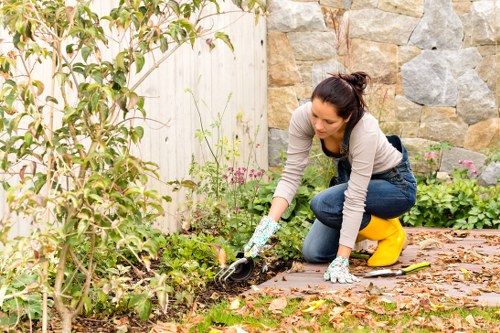
Hanwell is a varied part of West London, and the outdoor spaces here are just as varied. Some gardens are compact and enclosed, while others are long, mature, and heavily shaded. Many homes have front gardens that are visible from the street and set the tone for the whole property. Commercial sites also need outdoor areas that look neat without demanding constant attention. This is where a local approach matters.
A team familiar with the area understands that access can be tight, especially on residential streets where on-street parking is limited and equipment has to be brought through narrow side passages or shared entrances. It also helps to know how to work efficiently around neighbouring properties, existing planting, and the everyday needs of occupants. In a built-up area like Hanwell, practical planning can save time and reduce disruption.
Another advantage of using a local company is the ability to suggest plant choices and layouts that suit the area’s conditions. That can include picking species that tolerate partial shade, choosing robust lawn options for family use, or designing borders that provide visual interest without needing constant intervention. If you have tried to maintain a garden but found it becoming too muddy, too bare, or too overgrown, local soft landscaping can reset the space in a way that feels manageable.
Suitable for different property types
Soft landscaping services can be tailored to a wide range of local properties, including:
- Terraced houses with narrow rear gardens
- Semi-detached homes with front and back gardens
- Flats with shared or communal outdoor areas
- Older properties with mature planting needing renewal
- New-build gardens that need structure and softness
- Commercial entrances, office grounds, and hospitality fronts
How the service works

A good soft landscaping project starts with understanding how the space will be used. Some customers want a neat, simple garden that is easy to mow and maintain. Others want more planting, more privacy, or a more attractive entrance for visitors and customers. The process should reflect your priorities, your budget, and the conditions on site.
In many cases, the work begins with a site visit and a discussion of the existing layout. That helps identify what can stay, what needs to be removed, and which parts of the garden may need preparation before new planting or turfing begins. It also allows for practical checks such as access, waste removal, soil condition, drainage concerns, and any features that need to be protected during the work.
Once the plan is agreed, the area is usually cleared and prepared. This may involve removing weeds, old turf, dead shrubs, debris, or tired planting. Soil is then improved where needed, levels are adjusted, and the new layout is marked out. Plants and turf are then installed carefully, with attention to spacing, watering needs, and the long-term appearance of the garden. Contact us today if you want to discuss a fresh start for a front garden, back garden, or shared outdoor area.
Typical stages of a project
- Initial discussion about your goals, budget range, and priorities
- Site assessment to review access, size, light levels, and condition
- Preparation including clearance, digging, levelling, and soil improvement
- Installation of turf, plants, shrubs, hedging, or borders
- Finishing touches such as mulch, edging, or watering advice
- Aftercare guidance to help the space establish properly
What is included in a soft landscaping project?
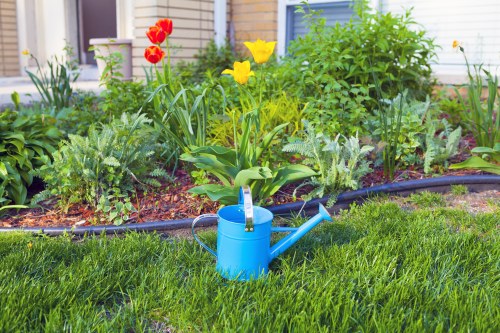
The exact scope depends on the property and the goals for the space, but customers often want a mix of practical improvement and visual enhancement. For example, a front garden in Hanwell may need low-maintenance planting that looks tidy from the street, while a family back garden may need a lawn that children can use without becoming a muddy patch after one wet week.
A well-planned service should include the essentials needed to create a healthy and attractive result. That can mean removing poor-quality growth, improving the growing medium, and installing plants that suit both the conditions and the amount of care you want to provide. If the space is especially worn, it may also include reshaping borders, creating clear lines, or dividing the garden into usable zones.
For some customers, the work is simple and focused. For others, it may involve a wider refresh of the outdoor area, especially if the garden has been neglected or has become difficult to keep tidy. Either way, the aim is to leave you with a space that looks intentional and is easier to manage over time.
Examples of improvements often requested
- Replacing patchy lawns with fresh turf
- Creating planted borders to soften hard edges
- Adding evergreen shrubs for year-round structure
- Introducing colour through seasonal planting
- Refreshing beds around entrances and boundary lines
- Improving the appearance of communal or rental properties
Good soft landscaping should balance beauty and practicality
That balance matters. A garden can be attractive without being fussy, and it can be structured without feeling formal or rigid. The best results usually come from choosing materials and plants that match the amount of maintenance you are comfortable with. Simple does not mean plain; it means manageable, reliable, and suited to your property.
Benefits for homeowners, landlords, and businesses
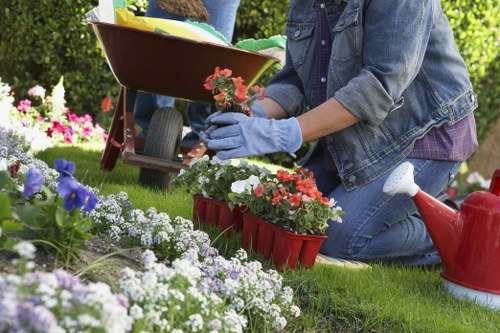
Soft landscaping in Hanwell is useful for more than just garden makeovers. It can improve first impressions, support property value, and make outdoor spaces more enjoyable to use. For homeowners, a better-laid-out garden can reduce stress and make weekend maintenance easier. For landlords, tidy and resilient planting can help properties present well between tenancies. For businesses, it can create a cleaner and more welcoming exterior for customers, tenants, and staff.
One of the biggest benefits is flexibility. Soft landscaping can be as modest or ambitious as the site allows. A small change to the front border may be enough to sharpen the appearance of a house, while a full garden refresh may be better for spaces that have become overrun, uneven, or simply uninspiring. Because the work is built around living elements, it can also mature over time and become more attractive as plants establish and beds settle in.
It is also a smart way to bring softness to outdoor areas that feel too hard or empty. A property with plenty of paving can benefit from planting to break up the look, while a garden with little structure may need borders and shrubs to create definition. In a local area like Hanwell, where many customers want their outdoor space to feel neat but not overdone, this kind of balance is often exactly what is needed.
Key benefits at a glance
- Improves the look and feel of the property
- Makes gardens easier to use and maintain
- Helps create privacy, structure, and seasonal interest
- Supports better lawn health and plant establishment
- Useful for front gardens, rear gardens, and shared spaces
- Works well for residential and commercial properties alike
Why choose a local company for soft landscaping in Hanwell?
Using a local team brings practical advantages that are easy to overlook until the work begins. Familiarity with Hanwell and the surrounding West London area can help with timing, access, and the kind of planting that succeeds locally. It also means the team is more likely to understand the pressures of working in an area where parking may be limited, streets may be busy, and many gardens are tucked behind houses or reached through narrow side access.
Local experience can also be valuable when dealing with the varied conditions found across the area. Some gardens receive plenty of sun, while others are shaded by neighbouring buildings or mature trees. Soil can be compacted or tired, especially where old lawns, building work, or years of neglect have left it in poor condition. A local soft landscaping service can assess these factors and make sensible recommendations rather than offering a one-size-fits-all solution.
There is also the convenience factor. If you are planning to book work at your home, rental property, shopfront, or office grounds, it helps to work with people who understand the area and can organise the job efficiently. That can make the experience smoother from the first conversation through to completion. Book your service now if you want your outdoor space planned and completed with local conditions in mind.
Reasons customers often prefer a nearby team
- Better understanding of local property layouts and access issues
- More practical plant choices for the area’s conditions
- Easier scheduling and more responsive communication
- Suitable for small urban gardens as well as larger plots
- Awareness of how to minimise disruption on residential streets
Planning your garden: practical ideas for Hanwell customers
Every garden starts with the same basic question: how do you want to use it? Some customers want a space that is easy to look after, while others want a garden that feels greener, fuller, and better organised. In Hanwell, where outdoor areas can vary so much from one property to the next, the best results often come from straightforward planning and realistic choices.
If you have a small garden, it may be worth focusing on planting that gives structure without taking up too much room. Narrow borders, vertical interest, evergreen shrubs, and compact planting schemes can create a fuller look without crowding the space. For larger gardens, you may want different zones: one area for lawn, one for planting, and perhaps a border or feature bed that draws the eye.
Front gardens often need a different approach from rear gardens. At the front, many local customers want neatness, low maintenance, and good street appeal. At the back, comfort and usability often matter more, especially for families or people who use the garden for relaxing. A soft landscaping service in Hanwell can be shaped around these different priorities, helping each area do its job properly.
Ideas that work well locally
- Low-maintenance borders with hardy shrubs and mulch
- Fresh lawn areas for family use or tidy visual impact
- Mixed planting schemes for colour through the seasons
- Privacy planting near boundaries and seating areas
- Entrance planting to improve the approach to the property
Preparation checklist before work begins
To keep the project running smoothly, it helps to prepare the space before the team arrives. You do not usually need to do anything complicated, but a few simple steps can save time and make access easier. If there are items you want kept, moved, or protected, it is best to identify those early so they can be handled carefully.
Because many Hanwell properties have side access, rear access, or shared entry points, clearing the route can be especially helpful. If parking is tight on your street, it is also useful to discuss access in advance so the work can be organised around local conditions. This is one of the main reasons customers choose a nearby team: the job can be planned realistically rather than assuming easy site access.
Some projects may also require consideration of pets, children, delicate plants, or existing features you want to keep. A little preparation makes it easier to protect what matters and focus on the area that needs improvement. If you are unsure what needs to be done beforehand, a quick conversation before the visit can clarify everything.
Simple preparation steps
- Move lightweight furniture, pots, and ornaments if requested
- Keep access routes clear where possible
- Point out any plants, structures, or features to retain
- Share any concerns about drainage, shade, or poor soil
- Arrange space for waste removal if the project is a larger one
What affects the price of soft landscaping?
Customers often want to know what influences the cost of a soft landscaping project, and the honest answer is that it depends on the size and condition of the site, the materials used, and the amount of labour involved. A straightforward turfing job will usually be different from a full border redesign with plant supply, soil improvement, and clearance of old growth.
Pricing factors may include the amount of preparation needed, access to the site, how much waste must be removed, whether the soil needs significant improvement, and the type and quantity of plants or turf required. A compact front garden may be quick to work on, but if access is difficult, even a smaller project can take more planning. On the other hand, a larger garden with straightforward access may be more efficient despite the bigger area.
It is also worth remembering that better preparation can affect the long-term result. Cutting corners on soil work, levelling, or plant selection may save time at first, but it can lead to extra maintenance or poor growth later. A clear quote should reflect the work needed to create a lasting result, not just the quickest possible installation.
Factors commonly considered in a quote
- Garden size and complexity
- Condition of the current lawn or planting
- Need for clearance, disposal, or heavy digging
- Access for tools, materials, and removal
- Type of turf, plants, shrubs, or mulch chosen
- Any drainage, levelling, or soil improvement needed
Areas covered around Hanwell
Customers looking for soft landscaping in Hanwell often also need work in nearby streets and surrounding West London neighbourhoods. A local service can usually cover a wider area, helping households and businesses that are close by and face similar access or property layout challenges. This is especially useful if you manage more than one property or need work done across multiple sites.
Nearby locations may include surrounding parts of Ealing, West Ealing, Greenford, Southall, Northolt, and other nearby residential and commercial areas depending on the job. If your property is just outside Hanwell, it is still worth checking availability, as many projects are planned around practical travel and access rather than strict boundaries.
Whether you are in a terraced street, a quiet cul-de-sac, a block with shared outdoor space, or a commercial premises with a small frontage, the same principles apply: good preparation, appropriate planting, and a finish that suits the property. A local team can tailor the work to the space rather than forcing the space to fit a generic plan.
Frequently asked questions
How long does a soft landscaping job take?
The timescale depends on the size of the area and the amount of preparation needed. Small planting or turfing jobs may be completed relatively quickly, while larger garden makeovers with clearance and soil improvement will take longer. The best approach is to discuss your site so an estimated schedule can be explained clearly.
Can soft landscaping help a garden that is very overgrown?
Yes. Overgrown gardens can often be cleared, reshaped, and replanted so they become much easier to manage. In some cases, it is best to remove tired growth completely and start again with a cleaner structure. In other cases, selected plants or shrubs can be kept and incorporated into the new layout.
Is soft landscaping suitable for small gardens?
Absolutely. Small gardens often benefit most from careful planting and smart layout choices. Even a narrow space can feel more inviting with the right lawn, border arrangement, and plant selection. The goal is to make the garden feel usable and balanced rather than crowded.
Do you need to prepare the soil before turfing?
In most cases, yes. Good turfing depends on the ground beneath it. The soil may need clearing, levelling, and improving so the new lawn can root properly and grow evenly. Skipping preparation can lead to patchy results and more maintenance later.
Can you help with both residential and commercial properties?
Yes. Soft landscaping is useful for private gardens, rental properties, shared spaces, offices, and customer-facing premises. The approach can be adjusted depending on how the space will be used and how much upkeep is realistic.
Get started on your outdoor space
If your garden or frontage is looking tired, uneven, overgrown, or simply not working the way you need it to, soft landscaping could be the right next step. From fresh turf and planting to border redesign and soil improvement, the aim is to create a space that feels better to live with and easier to maintain.
For homeowners, landlords, and businesses in Hanwell, a local service can make the process simpler and more practical. You get support that takes account of access, property style, and the way the space is actually used. That means a better fit for the site and a result that feels thoughtful rather than rushed.
Contact us today to discuss your plans, request a free quote, or book your service now if you are ready to improve your outdoor space. If you want soft landscaping in Hanwell done with care, local understanding, and attention to the details that matter, now is a good time to take the first step.